
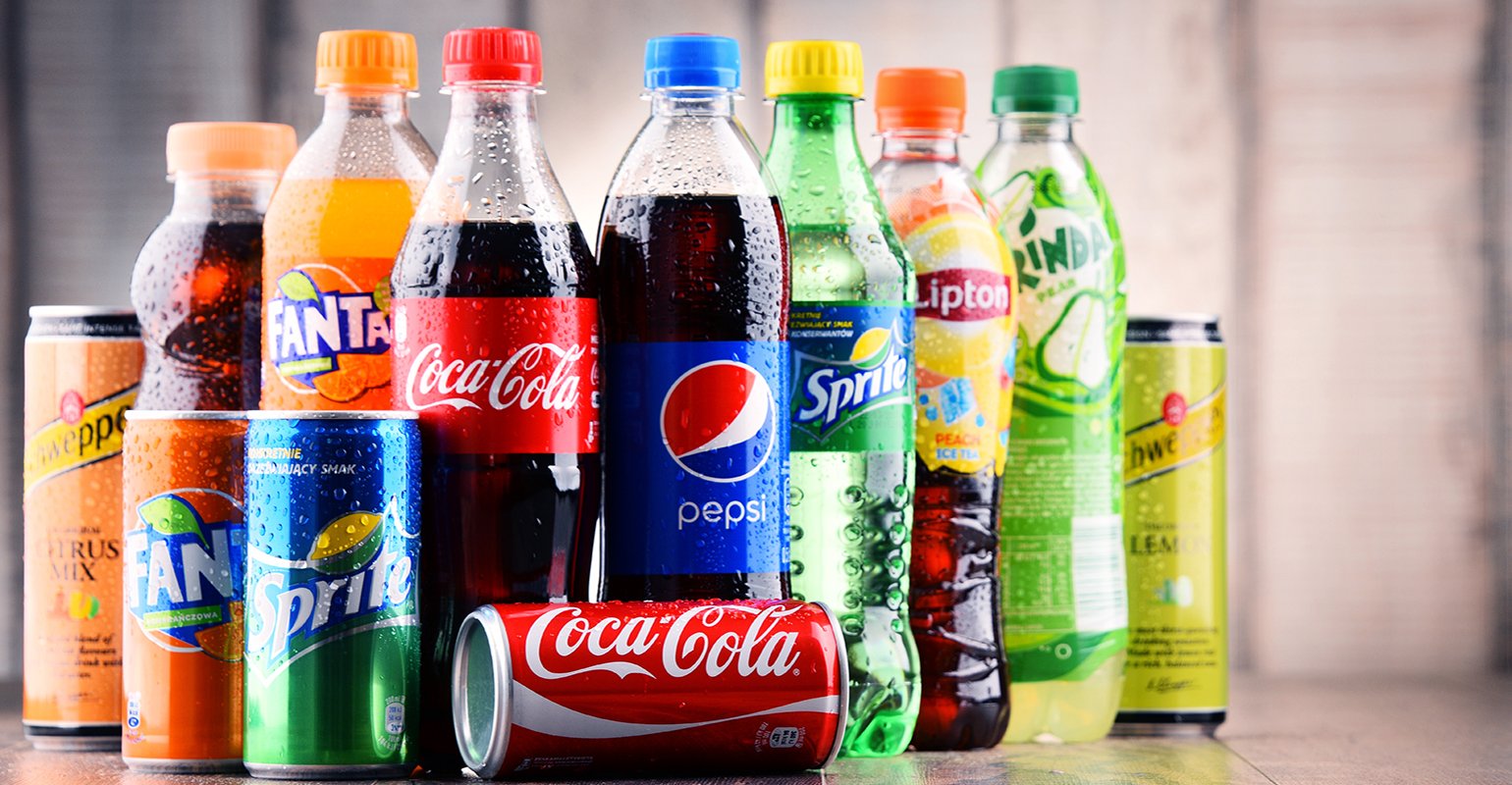
Hey, if you’ve ever stood in the grocery aisle staring at a wall of colorful cans and bottles wondering why everything feels so different lately, you’re not alone. The beverage world is evolving faster than ever, blending health kicks, eco-conscious choices, and clever packaging tricks that actually make a difference. Whether you’re a casual sipper or a brand owner hunting for the next big thing, these shifts aren’t just hype—they’re backed by real numbers and consumer behavior that’s changing how we drink. Let’s dive into the facts, trends, and practical insights driving the global beverage market and its packaging revolution right now.
The Explosive Growth of the Global Beverage Market
The numbers tell a clear story: the beverage industry is on a solid upward climb. In 2026, the global market is projected to hit around USD 2.03 trillion, up from USD 1.92 trillion in 2025, with a steady 5.65% compound annual growth rate (CAGR) through 2031 when it could reach USD 2.67 trillion. This growth isn’t accidental—it’s fueled by everyday folks craving options that fit busy lives while delivering more than just refreshment.
Alcoholic drinks still hold the lion’s share at about 63.78% in 2025, but non-alcoholic beverages are the real speed demons, growing at a faster 6.05% CAGR thanks to functional waters, prebiotic sodas, and adaptogenic drinks that promise real wellness perks.
Key Drivers Fueling Beverage Market Expansion
Health awareness has flipped the script on what we reach for in the fridge. People aren’t just avoiding sugar anymore—they’re actively hunting ingredients that boost energy, support gut health, or calm the mind after a long day. Premiumization plays a huge role too, with consumers happily paying more for quality that feels worth it, especially in ready-to-drink (RTD) formats that save time without skimping on taste.
Urban lifestyles and on-the-go demands have supercharged RTD cocktails, functional teas, and even protein-packed coffees. Sustainability concerns add another layer, pushing brands to rethink everything from ingredients to the bottle in your hand.
Health and Wellness Revolution in Beverages
Remember when a soda was just fizzy sugar water? Those days are fading fast. Today’s functional beverages lead the charge with added fiber, prebiotics, adaptogens, and vitamins that deliver tangible benefits. Take Pepsi’s Prebiotic Cola launch in 2025—5 grams of cane sugar, 3 grams of fiber, and no artificial sweeteners—or Coca-Cola’s Simply Pop prebiotic soda with real fruit juice and immune-supporting zinc.
- Gut health focus: Prebiotic sodas and fiber-infused drinks are exploding as consumers link digestion to overall mood and energy.
- Energy without the crash: Low-sugar energy drinks and adaptogen blends (think ashwagandha or ginseng) appeal to all ages chasing steady focus.
- Plant-based and low/no-alcohol: Dairy alternatives and NA options are growing rapidly, with no-alcohol alternatives forecast to surge 50% in volume by 2030.
This shift feels personal—like brands finally get that we want drinks that work with our bodies, not against them.
Rise of Functional and RTD Beverages
RTD everything is having its moment because convenience wins when life moves fast. From RTD teas and coffees to hard seltzers and mocktails, these formats grew because they fit seamlessly into commutes, workouts, or quick desk lunches. The global RTD beverage market is on track to more than double in the coming decade, driven by premium launches that blend flavor innovation with health claims.
Brands are nailing the balance: low-carb beers, zero-sugar RTDs, and even protein coffees that double as breakfast. It’s not just about quenching thirst anymore—it’s about delivering purpose in a portable package.
Flavor Innovations and Consumer Preferences
Flavors are getting bolder and more personal. Classic favorites like mango, strawberry, and lemon-lime are sticking around, but they’re mixing with exotic twists—pandan, Moroccan spices, Japanese sudachi, or even churro and huckleberry cobbler for that nostalgic-yet-novel hit.
Unusual combinations are winning shelf space because consumers crave adventure without risk. Think “newstalgia”—retro flavors reimagined with modern wellness spins. It’s fun, it’s shareable on social, and it keeps the category fresh.
The Critical Role of Packaging in Beverage Success
Packaging isn’t just a container anymore; it’s a silent salesperson, storyteller, and sustainability ambassador all in one. In a crowded market, the right bottle or can can make or break a purchase decision in seconds. With PET bottles holding 61.60% share in 2025 and aluminum cans growing at 5.75% CAGR, brands are choosing formats that scream convenience while quietly reducing environmental impact.
Smart design also helps with portion control, resealability, and on-shelf standout—key when value perception is everything amid inflation worries.
Sustainable Packaging Trends Revolutionizing the Industry
Sustainability has moved from nice-to-have to non-negotiable. Consumers and regulators alike demand proof, not promises, which is why “substantiated sustainability” tops 2026 packaging trends. Recycled PET (rPET), mono-materials for easier recycling, and lightweight designs are cutting plastic use while meeting tough rules like the EU’s 30% rPET mandate by 2030.
Brands like Coca-Cola are rolling out 250ml recycled PET bottles in key markets, and aluminum’s closed-loop recycling rate above 70% makes it a hero for everything from craft beer to sparkling water. It feels good knowing your drink choice can actually help the planet.
From Plastic to Planet-Friendly Alternatives
The push away from virgin plastics is real. Biodegradable and compostable materials, paper-based bottles, and plant-based films are gaining traction, especially for single-serve formats. Pouches are growing at 6.82% CAGR because they use 60-80% less material per liter and ship flat for e-commerce efficiency.
- Pros of shifting to alternatives: Lower carbon footprint, consumer appeal, regulatory compliance.
- Cons: Higher upfront costs, potential supply chain kinks, and the need for consumer education on proper disposal.
The payoff? Brands that get this right build loyalty that lasts.
Lightweighting and Mono-Material Innovations
Every gram counts. Lightweight PET bottles save resin (EU rules alone will slash 39,000 tons of plastic annually), while ultra-light glass (like Johnnie Walker’s 180g bottles) and aluminum cans chill faster and recycle infinitely. Mono-material structures eliminate the sorting nightmare at recycling plants, making real circularity possible.
It’s engineering meets empathy—less waste without sacrificing the premium feel we crave.
Material Showdown: Comparing Beverage Packaging Options
Let’s break it down simply. No single material wins every category, but here’s how the big players stack up in 2026:
| Material | Market Share (2025) | Growth Outlook | Key Strengths | Main Drawbacks | Best For |
|---|---|---|---|---|---|
| PET/Plastic | 41.30% | Steady at 3.88% CAGR | Lightweight, shatterproof, versatile | Virgin resin price swings, microplastic concerns | Carbonated soft drinks, water |
| Aluminum Cans | Growing fast | 5.75% CAGR for cans | 70%+ closed-loop recycling, quick chill | Higher production energy initially | Beer, energy drinks, RTD cocktails |
| Glass | Smaller premium | Repositioned as prestige | Infinite recyclability, quality perception | Heavy, breakable, higher transport costs | Spirits, craft beverages |
| Paperboard/Pouches | Rising | 6.29% CAGR (paperboard) | Low material use, e-commerce friendly | Needs barriers for shelf life | Juices, plant-based drinks, multipacks |
This comparison shows why brands mix formats—aluminum for sustainability wins, PET for everyday affordability, glass for that luxury shelf pop.
Aluminum Cans: The Recyclability Champion
Aluminum is having its renaissance. Capacity expansions in North America and Asia-Pacific are fueling growth, and its ability to be recycled infinitely without quality loss makes it the go-to for eco-minded consumers. Sleek designs, rapid chilling, and tethered caps (now mandatory in many places) add convenience that shoppers love.
I’ve seen friends switch from plastic bottles to cans purely because “it just feels better for the planet”—and the data backs that gut feeling.
PET Bottles: Lightweight and Versatile
PET still rules for volume because it’s affordable, clear, and tough enough for carbonated drinks. The big upgrade? rPET content that’s now standard in many markets. Lightweighting has shaved grams off every bottle, cutting emissions without changing the drinking experience one bit.
Glass: Premium Appeal with a Catch
Glass screams quality—92% of U.S. consumers link it to premium vibes and endless recyclability. Yet its weight and fragility limit it to higher-end spirits and craft segments where the investment pays off in perceived value.
Smart and Connected Packaging Technologies
Tech is turning packaging into an interactive experience. QR codes on bottles now link to recycling instructions tailored to your ZIP code, provenance stories, or even personalized recipes. Digital watermarks help sorting facilities identify materials at high speed, closing the loop on circularity.
PepsiCo’s ingredient-chamber cans are just the start—imagine popping a can and getting a fresh flavor burst on demand. It’s futuristic but already here in test markets.
QR Codes and Digital Watermarks for Transparency
These tools build trust fast. Scan a code and you’ll see exactly how much recycled content is in that bottle or where the ingredients came from. It turns passive sipping into an informed choice, which is exactly what today’s skeptical shoppers want.
Challenges and Opportunities Ahead
No industry grows without bumps. Volatile resin prices, rPET supply shortages, and tightening single-use plastic rules are real hurdles—especially in Europe and Asia-Pacific. Yet these same pressures spark innovation: closed-loop recycling investments, AI-driven flavor development, and mergers that create stronger, more agile players.
The opportunity? Brands that lean into transparency and convenience will win loyalty while others scramble.
Regulatory Hurdles and Supply Chain Issues
From India’s 30% rPET mandate to EU packaging rules effective 2025, compliance is now table stakes. Supply bottlenecks for recycled flakes mean smart sourcing and partnerships are key. The silver lining: companies investing here gain a competitive edge that lasts.
Future Outlook for 2026 and Beyond
By 2031 the beverage packaging market alone should reach USD 205.17 billion at 3.88% CAGR, while the overall beverage sector keeps climbing. Expect more fiber-focused drinks, AI-personalized options, and packaging that’s not just recyclable but actively helps consumers do the right thing.
The winners will be those who treat sustainability and functionality as one seamless story—because that’s what consumers are buying into now.
People Also Ask About Beverage Market and Packaging Trends
What is the current size of the global beverage market?
It stands at approximately USD 2.03 trillion in 2026 and is growing steadily at 5.65% CAGR, driven by functional and non-alcoholic options.
Which packaging material is most sustainable for beverages?
Aluminum cans lead with over 70% closed-loop recycling, followed closely by rPET and mono-material paperboard options that minimize waste.
How are RTD beverages changing the market?
RTD formats are exploding because they combine convenience with health claims, premium flavors, and sustainable cans or pouches that appeal to busy, mindful consumers.
What are the biggest challenges in beverage packaging today?
Balancing cost, regulatory recycled-content rules, and supply shortages for rPET while still delivering premium feel and functionality.
Will plastic bottles disappear from beverage shelves?
Not entirely, but lightweight rPET and shifts toward aluminum and paper alternatives will reduce their dominance as brands chase verified sustainability.
FAQ: Your Top Questions Answered
How do I choose sustainable beverage packaging as a consumer?
Look for rPET labels, aluminum cans (infinitely recyclable), or QR codes that explain disposal. Supporting brands with clear mono-material designs helps close the loop.
Are functional beverages worth the premium price?
For many, yes—especially if you’re chasing specific benefits like gut health or steady energy. Check the ingredient list and serving size to make sure the value matches your needs.
What’s the future of glass packaging in beverages?
It stays strong in premium spirits and craft categories where the tactile, high-quality feel justifies the weight and cost.
Can small brands compete in packaging innovation?
Absolutely. Many start with aluminum cans or pouches for lower upfront investment and scale up as sales prove the concept.
How does packaging affect beverage shelf life and taste?
Greatly—aseptic cartons and barrier pouches protect flavors longer, while aluminum keeps drinks crisp without light exposure.
The beverage market and its packaging aren’t standing still—they’re adapting to us, the drinkers who want better health, fewer regrets, and a planet that feels a little less burdened. Next time you grab a drink, take a second to notice the can or bottle. That small choice is part of something much bigger. Stay curious, sip responsibly, and keep an eye on these trends—they’re only getting more exciting from here.


Leave a Reply