
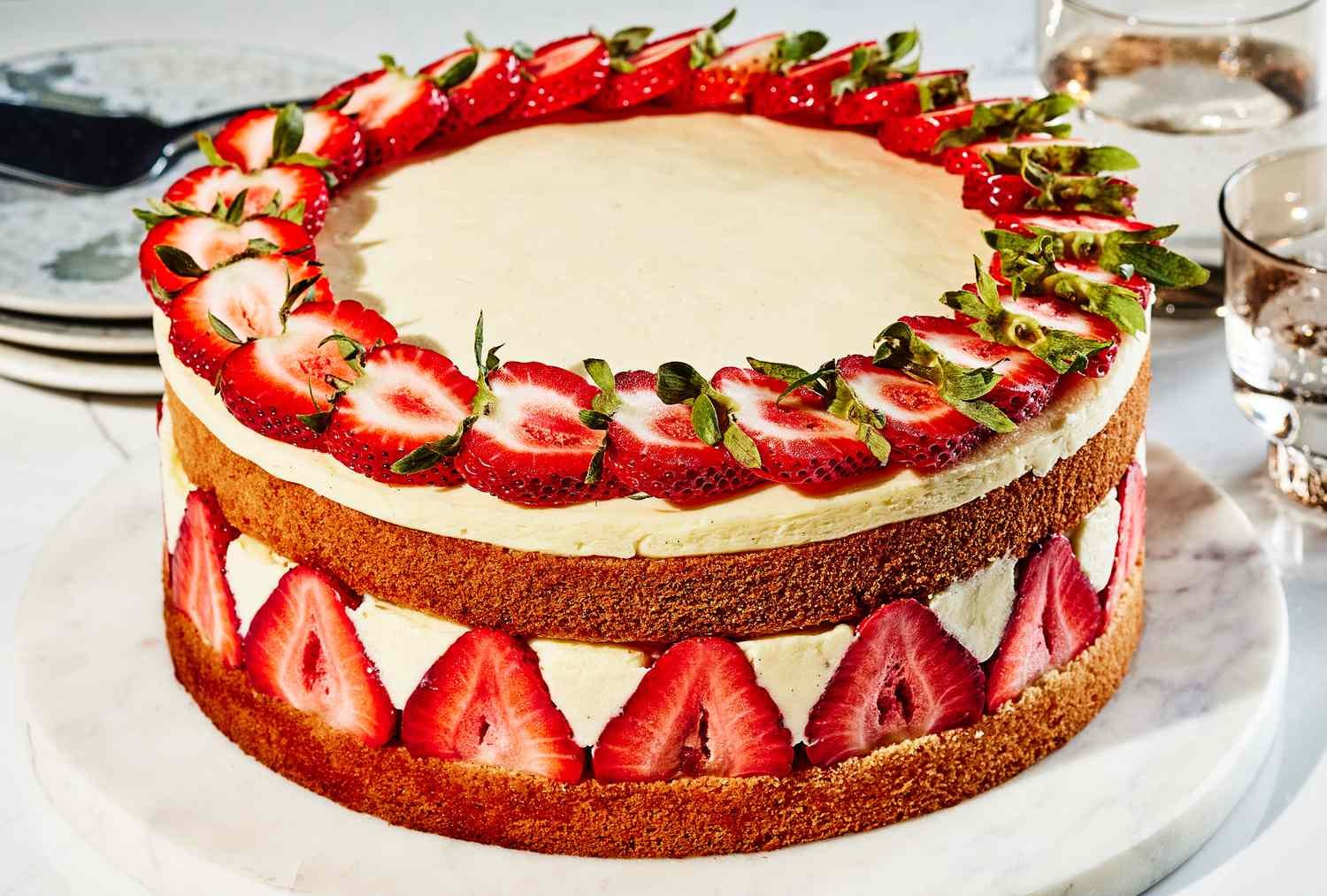
Fraisier Cake isn’t just another strawberry dessert—it’s a showstopper that captures the essence of French pâtisserie in one breathtaking slice. With its layers of airy genoise sponge, silky crème mousseline, and vibrant fresh strawberries peeking out like ruby jewels along the sides, this cake turns heads before the first fork even touches it. I still remember my first taste in a tiny Paris bakery years ago; one bite and I was hooked on that perfect balance of light cake, creamy filling, and juicy fruit. If you’ve ever wanted to bring a touch of Parisian elegance to your table, this is the recipe that delivers.
What Is a Fraisier Cake?
Picture a classic French entremet where strawberries take center stage, literally lining the edges for that signature striped look when sliced. The name comes straight from “fraise,” the French word for strawberry, and the cake celebrates peak-season berries in the most refined way possible. It features two layers of tender sponge soaked in a light syrup, a rich yet airy cream filling, and often a thin marzipan top for subtle sweetness and a polished finish. Unlike heavier American strawberry cakes, the fraisier stays elegant and not overly sweet, letting the fruit shine.
The Rich History of the Fraisier Cake
The fraisier’s story traces back to late 19th-century France, when legendary chef Auguste Escoffier first highlighted fresh strawberries in elegant layered cakes. His early versions appeared in the iconic Guide Culinaire, but it was pastry innovator Pierre Lacam who added kirsch syrup touches in the early 1900s. The modern fraisier we know today—complete with that precise strawberry border—emerged in 1966 thanks to Gaston Lenôtre, who refined it into the Bagatelle-style dessert inspired by Paris’s famous gardens. What started as a seasonal treat for strawberry lovers has become a timeless staple in French patisseries worldwide.
Why the Fraisier Cake Feels So Special
There’s something magical about how this cake transforms simple strawberries into something luxurious. The vertical berry arrangement creates a stunning visual that screams “special occasion,” yet the flavors stay fresh and balanced. I’ve baked it for family birthdays and watched grown adults swoon like kids—proof that great pastry connects us across generations. Whether you’re a beginner or seasoned baker, the fraisier rewards patience with results that feel restaurant-worthy.
Key Ingredients That Make It Authentic
Every component in a traditional fraisier works in harmony, from the light sponge that holds everything together to the cream that melts on your tongue. You’ll need high-quality fresh strawberries at their ripest—firm but sweet—and real vanilla for depth. Skip the shortcuts here; the best versions use whole eggs in the cream base and a touch of alcohol in the syrup for that subtle French flair.
Genoise Sponge Cake
This feather-light layer comes together by whipping eggs and sugar until tripled in volume, then gently folding in flour and a bit of melted butter. No chemical leaveners in the classic version—just air and technique for that tender crumb. I always sift my flour twice to keep it lump-free, and trust me, the extra effort pays off when your cake layers soak up syrup without turning soggy.
Crème Mousseline Filling
Here’s the heart of the cake: pastry cream enriched with butter for a silky, pipeable texture that holds its shape yet feels luxurious. Made with milk, egg yolks, sugar, and cornstarch, it gets chilled before butter is whipped in. Some bakers add a splash of kirsch or orange blossom water for aroma, but pure vanilla works beautifully too.
Fresh Strawberries and Syrup
Choose small to medium berries of uniform height so they line up perfectly around the mold. A simple syrup—often spiked with kirsch—brushes the sponges to keep them moist for days. The berries provide natural tartness that cuts through the richness.
Optional Marzipan Top
A thin sheet of almond paste adds a delicate sweetness and smooth surface for decorating. It’s traditional in many Parisian versions and keeps the top from drying out.
Step-by-Step Guide to Making Fraisier Cake at Home
Don’t let the French name fool you—this cake is achievable with a bit of planning and the right tools. I’ve made it dozens of times, tweaking each batch until it felt foolproof. Start a day ahead for best results, and use an 8- or 9-inch cake ring or springform pan lined with acetate for clean edges. The process breaks down nicely into bake, prep, and assemble phases.
Baking the Genoise Sponge
Preheat your oven to 350°F and prepare an 8-inch round pan by lining just the bottom—no greasing the sides so the cake climbs evenly. Whip 4 room-temperature eggs with 100g sugar for a full 10 minutes until pale and ribbony. Sift in 90g flour and ¼ tsp salt in two stages, folding gently, then drizzle in 56g melted butter. Bake 23-25 minutes until golden and springy. Cool completely before slicing into two even layers.
Preparing the Crème Mousseline
First make a pastry cream: whisk 4 eggs, 150g sugar, ¼ tsp salt, and 42g cornstarch. Heat 240ml each milk and cream to a simmer, temper into the eggs, then cook until thickened. Cool slightly, stir in 113g butter and vanilla, and chill. Later, beat 340g softened butter until fluffy and gradually add the chilled pastry cream for that signature mousse-like finish.
Making the Simple Syrup
Boil 100g sugar with 120ml water until dissolved, then stir in 2 tsp vanilla or a splash of kirsch once cooled. This keeps the sponge tender and adds subtle flavor.
Assembling the Cake
Line your mold with acetate. Place the bottom genoise layer inside and brush generously with syrup. Pipe a border of cream around the edge, then stand strawberry halves cut-side out all around the perimeter. Fill the center with more cream and chopped berries, pressing gently so everything settles. Top with the second sponge layer, more syrup, and a final swirl of cream. Chill at least 5 hours or overnight.
Pro Tips for Bakery-Worthy Results
Success comes down to temperature and patience. Always use room-temperature ingredients for the cream to avoid splitting, and chill your pastry cream just enough—not rock hard. Line those strawberries tightly so they don’t shift when you slice. If the cream feels too soft, pop the whole assembly in the fridge between steps. And yes, a turntable makes decorating a breeze—I swear by mine after one lopsided attempt early on.
Common Mistakes to Avoid When Baking Fraisier Cake
Rushing the assembly is the top culprit; the cream needs time to set or you’ll end up with a leaky mess. Over-whipping the eggs for the sponge can make it tough, while under-whipping leaves it dense. Never use overripe berries—they release too much juice and soften the structure. Forgetting to line the pan with acetate leads to sticky sides that ruin the clean reveal. I’ve made every error at least once, so consider this your cheat sheet.
Pros and Cons of Making Fraisier Cake at Home
- Pros: Impressive wow factor for guests, customizable flavors, fresher than store-bought, and deeply satisfying once you nail it.
- Cons: Time-intensive (plan for 4-6 hours active), requires precision tools like a cake ring, and best eaten within a few days due to fresh fruit.
Variations on the Classic Fraisier Cake
Modern twists keep the spirit alive while adding flair. Swap vanilla for pistachio paste in the cream for a nutty green-hued version that’s trending in upscale patisseries. Some bakers use diplomat cream (pastry cream folded with whipped cream) for an even lighter texture. Chocolate lovers drizzle a thin ganache layer, while gluten-free versions rely on almond flour in the sponge. My personal favorite? A rosewater-scented take that feels extra romantic for anniversaries.
Fraisier Cake vs. Other Strawberry Desserts: A Quick Comparison
| Dessert | Sponge Type | Cream Style | Strawberry Role | Best For | Difficulty |
|---|---|---|---|---|---|
| Fraisier Cake | Genoise | Mousseline (buttery) | Lined edges + inside | Elegant dinners | Medium-High |
| Strawberry Shortcake | Biscuit | Whipped cream | Scattered on top | Casual picnics | Easy |
| Victoria Sponge | Butter cake | Buttercream or jam | Sliced between layers | Afternoon tea | Medium |
| Japanese Strawberry Shortcake | Chiffon | Stabilized whipped cream | Decorative top & inside | Light celebrations | Medium |
The fraisier stands out for its refined structure and that dramatic cross-section reveal.
Nutritional Information Per Slice (Approximate, 1/12 of 9-inch Cake)
| Nutrient | Amount | % Daily Value* |
|---|---|---|
| Calories | 380 | 19% |
| Total Fat | 22g | 28% |
| Saturated Fat | 13g | 65% |
| Carbohydrates | 38g | 14% |
| Sugars | 28g | – |
| Protein | 6g | 12% |
| Fiber | 2g | 7% |
*Based on a 2,000-calorie diet. Values vary with exact ingredients; the fresh strawberries add natural vitamins and antioxidants.
Where to Buy or Experience Authentic Fraisier Cakes
If baking feels daunting, seek out French patisseries or high-end bakeries in major cities. Ladurée and Pierre Hermé in Paris (or their international outposts) offer flawless versions. In the US, look for spots like Dominique Ansel or local French cafés—many will even customize. Online, some specialty shops ship frozen components you can assemble at home. Nothing beats the pride of making your own, though.
People Also Ask About Fraisier Cake
What does “fraisier” actually mean?
It’s French for “strawberry,” which perfectly sums up this berry-forward dessert.
Is kirsch liqueur required in the recipe?
Not at all—many home bakers skip it or use strawberry syrup instead for a kid-friendly version.
How far in advance can I make a fraisier cake?
Assemble it up to 24-48 hours ahead; it actually tastes better after the flavors meld overnight in the fridge.
Can I freeze fraisier cake?
I don’t recommend it—the fresh strawberries turn mushy upon thawing and the cream can separate.
What’s the best way to slice it cleanly?
Use a hot, dry knife wiped between cuts for those picture-perfect wedges.
FAQ: Your Top Questions Answered
How long does fraisier cake last in the fridge?
Up to 3-4 days when stored covered. The strawberries stay freshest in the first 48 hours.
Do I need special equipment?
A cake ring or springform pan plus acetate sheets make assembly easy, but a deep springform works in a pinch.
Can I make it gluten-free?
Absolutely—swap the flour for a 1:1 gluten-free blend and add a teaspoon of xanthan gum if needed.
What if my cream splits?
Temperatures are key; bring everything to room temp and whip slowly. A quick chill and re-whip usually fixes it.
Is this suitable for beginners?
With clear steps and patience, yes. Start small—maybe a 6-inch version for practice.
There you have it—the complete guide to creating a fraisier cake that looks and tastes like it came from a Parisian bakery. Whether you tackle the full traditional version or try one of the modern twists, this dessert never fails to impress. Grab those ripe strawberries while they’re in season, roll up your sleeves, and enjoy the process. Your friends and family will be begging for the recipe, and you’ll have a new signature bake to pull out every spring. Happy baking!


Leave a Reply